Byron Bay Whale Watching
Byron Bay whale watching from May to November, on a fast boat from Ballina with a marine biologist and hydrophone. Book with Experience Oz.
Top experiences
1 experiences found
All filters



Byron Bay
Premier Whale Watching Cruise - Byron Bay – 2 Hours
Discover Whale Watching
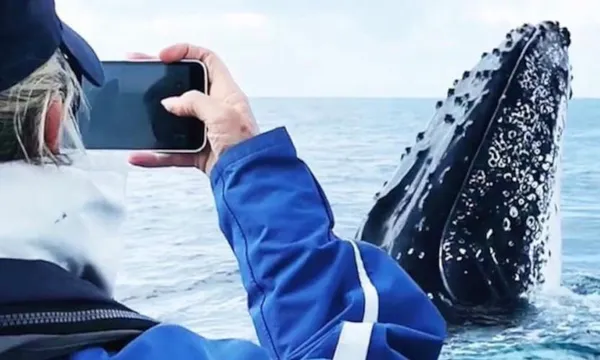
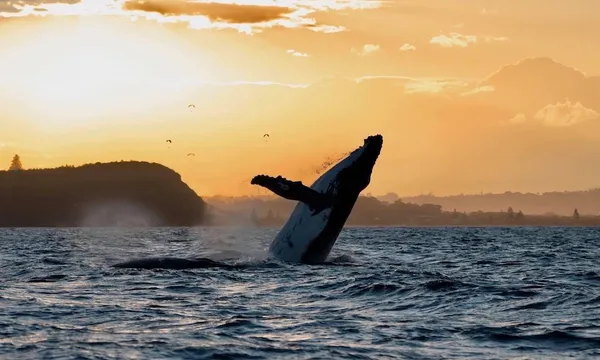
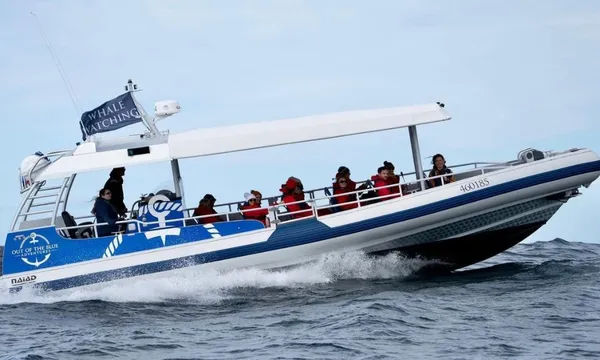
Byron Bay whale watching runs from May to November, when humpback whales swim past Cape Byron on their migration along the east coast. The cruise on this page is the Premier Whale Watching Cruise, a fast boat with a marine biologist on board, and it leaves from Ballina Wharf rather than Byron Bay itself.
When to go whale watching in Byron Bay
Cape Byron is the most easterly point on the Australian mainland, which brings migrating humpbacks close to the headland. Visit NSW describes the northbound migration in May and June, with whales often further offshore, and a peak in July with plenty of breaching and tail slapping. The southbound migration runs from August to November, when mothers and calves tend to travel closer to shore, with September a peak month.
Whale watching is seasonal, so outside May to November the cruise doesn't run. The Premier Whale Watching Cruise departs at 7:30am or 10am, with boarding 30 minutes before.
On board the Premier Whale Watching Cruise
The Premier Whale Watching Cruise from Byron Bay Ocean Safari is a fast boat that leaves from Ballina Wharf, on the Richmond River in front of The Wharf Bar and Restaurant, and cruises up to the waters of Cape Byron Marine Park. A marine biologist narrates the trip and answers questions, and a hydrophone lets you hear humpback whale song. Spray jackets, drinking water and a snack are provided.
If no whale shows up on your scheduled cruise, the next trip is free. Bring a hat, sunnies, sunscreen, water and a charged camera, and dress for a chilly sea breeze.
Other ways to look for whales around Byron Bay
The Byron Bay Dolphin Kayaking Tour adds humpback whales to its dolphin and turtle sightings in whale season. The Byron Bay Snorkel at Julian Rocks lists humpback whales in winter among its sightings. The guide on the Cape Byron Guided Aboriginal Tour suggests bringing binoculars in winter and spring for migrating whales, and Visit NSW names the Cape Byron lighthouse as a strong lookout.
More water-based choices are listed under Byron Bay water sports and Byron Bay activities.
Frequently asked questions
When is whale watching season in Byron Bay?
Byron Bay whale watching season runs from May to November. The Premier Whale Watching Cruise departs between those months, with Visit NSW naming July as peak and September as a peak month for the southbound migration.
Where does the Byron Bay whale watching cruise leave from?
The Premier Whale Watching Cruise departs from Ballina Wharf, Fawcett Street, Ballina, directly in front of The Wharf Bar and Restaurant, then cruises to the waters off Byron Bay.
What if I don't see a whale on my Byron Bay cruise?
If you do not see a whale on your scheduled Premier Whale Watching Cruise, you receive your next trip free of charge.
What should I bring whale watching in Byron Bay?
Bring a hat, sunglasses, sunscreen, water and a charged camera, and dress for a cool sea breeze. The Premier Whale Watching Cruise provides spray jackets, drinking water and a snack.
Local tip: The cruise leaves from Ballina, so allow driving time from Byron Bay before the 7:30am or 10am departure.
Check the season, pick a morning departure and book your Byron Bay whale watching cruise. All good days are waiting.

We acknowledge and pay respect to the Traditional Custodians of Country and their connections and continuous care for the skies, lands and waterways throughout Australia.